

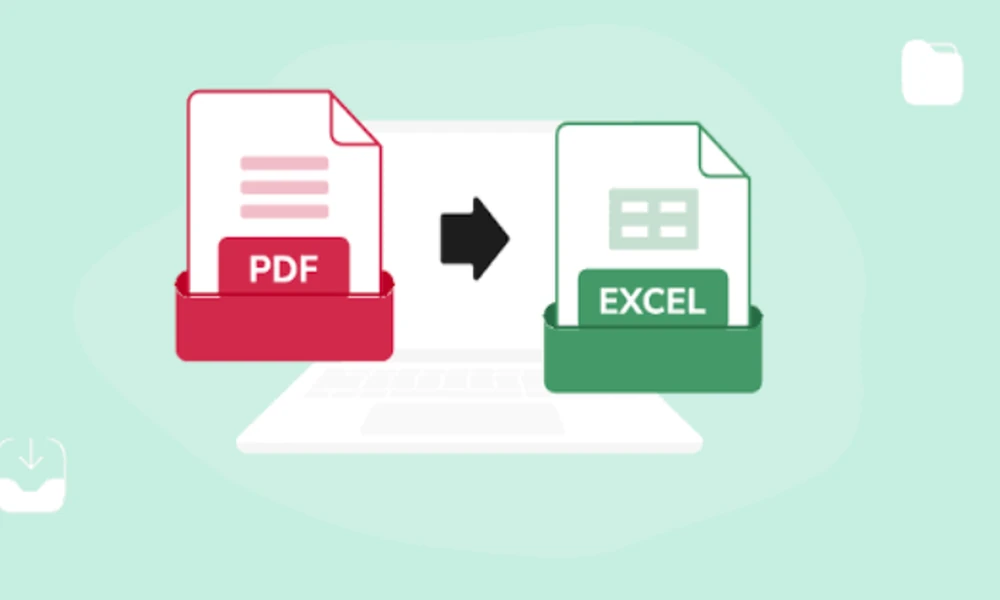
For many, the phrase “conversion of excel to pdf” can sound like a technical chore reserved for IT professionals. In reality, converting a spreadsheet into a portable, secure document is a straightforward process that anyone can master. Whether you are a small business owner sharing financial summaries, a teacher distributing grade sheets, or a project manager sending progress reports, knowing how to convert excel to pdf ensures your data remains intact and looks professional on any device. The goal is not just to change a file extension, but to preserve formatting, protect sensitive numbers, and create a universally readable version.
The most common obstacle people face with a standard excel to pdf converter is misalignment. A table that looks perfect in Excel can become a jumbled mess in PDF, with columns overflowing and text getting cut off. My own experience has taught me that this usually happens because of hidden rows, merged cells, or extra wide columns. Before you convert xlsx to pdf, take a moment to preview your sheet. Adjust column widths so all content is visible, and consider setting a print area. This simple step eliminates the need for post-conversion editing and saves time.
You may wonder, how to save excel as pdf without downloading heavy software? Most modern operating systems and office suites have built-in options. In Microsoft Excel, for instance, you go to File, then Export, and choose Create PDF/XPS. If you are using a free online platform, TeraBox offers a browser-based tool that handles the conversion of excel to pdf (In Portugal, it is called “conversor excel para pdf“) smoothly. You simply upload your file, and the tool processes it server-side, meaning your computer’s performance doesn’t slow down the job. This is particularly useful when you are on a shared or older device.
However, keep in mind that not all conversion methods are equal. While built-in tools are convenient, they sometimes lose hyperlinks or specific fonts. A dedicated excel to pdf converter, especially one that supports batch processing, can handle these details better. If you have a file with multiple sheets, make sure the converter allows you to choose which sheets to include. Some free tools automatically merge all tabs, which might not be what you want. Always check a sample page before running a full batch.
Another practical tip is to compress the output file if you plan to email it. Large PDFs can bounce back from mail servers. Most online converters, including the one available through TeraBox, let you adjust image quality within the PDF. Reducing the resolution from 300 dpi to 150 dpi often cuts the file size in half without noticeable loss for data tables. This keeps your document professional and deliverable.
Remember that a successful conversion of excel to pdf is not just about the technical click. It is about understanding your audience. When people receive a PDF, they expect to see it exactly as you intended. To ensure that, always use a standard PDF version (like PDF/A) for archival purposes. This format preserves everything, from cell borders to embedded charts, and is recognized by legal and financial institutions. If you frequently share reports, developing this habit will build your credibility.
Below are three frequently asked questions about conversion of excel to pdf:
1. Is it possible to convert excel to pdf without losing formatting?
Yes, it is. The key is to set your print area and check page breaks first. Most reliable tools preserve cell formatting, but avoid using complex conditional formatting that may not transfer.
2. Can I convert excel to pdf for free on mobile?
Yes. Many online platforms, including TeraBox, have mobile-friendly versions. You can upload a file from your phone’s storage and download the PDF within a few minutes. Just ensure you have a stable internet connection.
3. What is the difference between “save as” and “export” when converting xlsx to pdf?
In most spreadsheet applications, “Save As” gives you a few PDF options, while “Export” often provides more detailed settings like tagging, compression, and accessibility options. For best results, use the Export function.